Career Supports
Why Career Development Matters at ONLS
At Our Neighbourhood Living Society (ONLS), career building is more than professional advancement — it is a shared commitment to quality, continuity, and excellence in human services. The work we do directly impacts the lives, dignity, and well-being of the people we support. When employees are supported to grow their skills, confidence, and leadership capacity, ONLS becomes stronger, more responsive, and more sustainable.
Career development at ONLS recognizes that every role matters. Whether you are new to the organization or an experienced professional, intentional career building supports job satisfaction, reduces burnout, strengthens teamwork, and ensures we continue to deliver safe, ethical, trauma-informed, and person-centred supports. ONLS is committed to creating pathways that allow employees to grow within their roles, explore new opportunities, and align personal goals with organizational values. This manual is designed to support employees and leaders in building meaningful careers within ONLS and the broader human services sector.
ONLS Career Building & Development Manual
1. Guiding Principles of Career Development at ONLS
Career development at ONLS is grounded in the following principles:
- Person-Centred Values – Just as we support individuals to reach their goals, we support employees to do the same.
- Equity and Accessibility – Career development opportunities should be inclusive and accessible to all employees.
- Lifelong Learning – Growth is ongoing and supported at every career stage.
- Shared Responsibility – Career development is a partnership between the employee, their supervisor, and the organization.
- Ethical and Trauma-Informed Practice – Professional growth must always align with ethical standards and trauma-informed care.
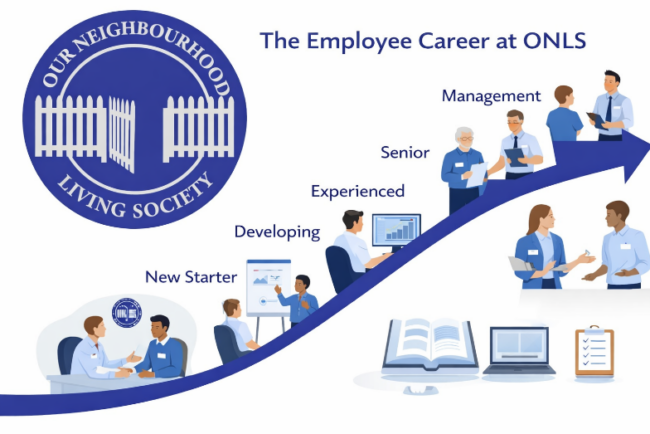
2. Career Development Road Map
The ONLS Career Development Road Map provides a structured but flexible pathway for growth.
Stage 1: Self-Reflection and Awareness
Employees are encouraged to reflect on:
- Strengths, interests, and values
- Current skills and areas for growth
- Career aspirations within human services
- Preferred learning styles
Tools may include self-assessments, reflective journaling, and supervision discussions.
Stage 2: Skill and Competency Building
This stage focuses on developing:
- Core competencies for human services work
- Technical and role-specific skills
- Interpersonal and communication skills
Development methods may include training, mentorship, job shadowing, and on-the-job learning.
Stage 3: Experience and Role Expansion
Employees may:
- Take on additional responsibilities
- Participate in committees or project teams
- Support peer learning or mentorship
- Explore acting or temporary roles
Stage 4: Career Advancement or Specialization
Employees may pursue:
- Leadership or supervisory roles
- Specialized practice areas (e.g., behaviour support, training, quality assurance)
- Lateral moves aligned with interests and strengths
3. Goal Setting Using SMART Goals
ONLS encourages the use of SMART goals to support clear and achievable career development.
SMART goals are:
- Specific – Clearly define what you want to achieve
- Measurable – Identify how progress will be tracked
- Achievable – Ensure goals are realistic
- Relevant – Align goals with ONLS values and role expectations
- Time-Bound – Set clear timelines
Example:
“Within the next 12 months, I will complete one approved training courses related to trauma-informed care and apply the learning in my daily practice, as discussed in supervision.”
4. Teamwork as a Career Development Tool
Teamwork is central to career growth at ONLS. Strong teams create learning opportunities and support professional development.
Career-building teamwork includes:
- Sharing knowledge and best practices
- Providing constructive feedback
- Supporting peers during challenging situations
- Respecting diverse perspectives and experiences
- Participating actively in team meetings
Effective teamwork strengthens leadership skills, conflict resolution abilities, and professional confidence.
5. Communication Skills for Career Success
Clear, respectful communication is essential in human services and professional growth.
Key communication competencies include:
- Active listening
- Clear verbal and written communication
- Professional documentation
- Giving and receiving feedback respectfully
- Communicating with empathy and cultural humility
Strong communication skills support collaboration, advocacy, leadership readiness, and ethical practice.
6. Learning and Development Opportunities
ONLS supports learning through:
- Internal training and orientation programs
- External workshops and certifications
- Online learning platforms
- Mentorship and coaching
- Policy, procedure, and best-practice education
Employees are encouraged to discuss learning interests during supervision and performance reviews.
7. Supervision and Performance Development
Supervision is a key space for career development at ONLS.
Effective supervision includes:
- Regular check-ins and goal review
- Supportive feedback
- Identification of strengths and growth areas
- Career planning discussions
Performance development is not punitive — it is a supportive process focused on growth and alignment.
8. Leadership Development at ONLS
Leadership is demonstrated at all levels.
Leadership skills include:
- Accountability and reliability
- Ethical decision-making
- Emotional intelligence
- Coaching and supporting others
- Problem-solving and initiative
ONLS encourages employees to explore leadership development through mentoring, acting roles, and leadership training.
9. Well-Being, Balance, and Sustainability
Career building must be sustainable.
ONLS recognizes that:
- Burnout impacts individuals and service quality
- Self-care supports professional longevity
- Boundaries are a professional skill
Employees are encouraged to prioritize wellness, seek support, and engage in healthy work-life balance.
10. Shared Commitment to Growth
Career development at ONLS is a shared commitment.
Employees are encouraged to:
- Take ownership of their growth
- Engage actively in learning
- Seek feedback and mentorship
ONLS commits to:
- Providing learning opportunities
- Supporting internal career pathways
- Valuing employee contributions
Together, we build careers that strengthen ONLS, the human services sector, and the communities we serve.
Leadership Pathway at ONLS
ONLS recognizes that leadership is developed intentionally and over time. The Leadership Pathway outlines clear, supportive progression opportunities aligned with current ONLS roles. Advancement is based on readiness, demonstrated competencies, values alignment, and organizational needs.
Leadership development is not automatic with tenure; it is earned through practice, reflection, accountability, and commitment to person-centred, trauma-informed care.
Leadership Pathway Overview
Casual/Relief Residential Counsellor → Part-Time Residential Counsellor → Full-Time Residential Counsellor → Supervisor
Each stage builds on the previous role and prepares employees for increased responsibility, decision-making, and leadership influence.
All employees are encouraged to apply for all postings regardless of current position. ONLS will review all employees based on a holistic competition interview process.
1. Casual / Relief Residential Counsellor (RC)
Primary Focus: Learning foundations, reliability, and safe practice
Leadership Development Expectations:
- Demonstrates reliability, punctuality, and professionalism
- Learns and follows ONLS policies, procedures, and LSP requirements
- Practices respectful communication with individuals, families, and team members
- Effective communication with supervisors
- Accepts feedback and shows willingness to learn
- Demonstrates person-centred and trauma-informed approaches
Leadership Skills Introduced:
- Accountability for assigned shifts
- Basic documentation and communication skills
- Situational awareness and professional boundaries
Readiness Indicators for Part-Time RC:
- Consistent performance and attendance
- Demonstrated understanding of support plans
- Positive teamwork and communication
- Completion of required training
2. Part-Time Residential Counsellor (RC)
Primary Focus: Skill development, consistency, and teamwork
Leadership Development Expectations:
- Demonstrates consistency in care and documentation
- Supports team cohesion and respectful workplace culture
- Communicates effectively during transitions and shift changes
- Applies training knowledge independently
- Models ONLS values in daily practice
Leadership Skills Strengthened:
- Peer collaboration and informal mentoring
- Problem-solving within role scope
- Effective communication with supervisors
Development Opportunities:
- Acting as a peer support or buddy for new staff
- Participating in team meetings and committees
- Identifying areas of practice improvement
Readiness Indicators for Full-Time RC:
- Demonstrated initiative and accountability
- Strong understanding of individual needs and plans
- Ability to manage complex situations appropriately
- Positive feedback from supervisors and peers
3. Full-Time Residential Counsellor (RC)
Primary Focus: Leadership in practice, mentorship, and role modeling
Leadership Development Expectations:
- Acts as a role model for ONLS standards and values
- Demonstrates advanced communication and documentation skills
- Supports less-experienced staff through guidance and example
- Contributes to continuous improvement and quality of care
- Demonstrates emotional intelligence and professionalism
Leadership Skills Developed:
- Informal leadership and mentorship
- Conflict awareness and resolution
- Time management and prioritization
- Ethical decision-making
Development Opportunities:
- Mentoring new or relief staff
- Participating in training delivery or working groups
- Acting or relief supervisory opportunities (when available)
- Career planning discussions during supervision
Readiness Indicators for Supervisor Role:
- Consistent demonstration of leadership behaviours
- Strong problem-solving and decision-making skills
- Ability to support team dynamics and morale
- Demonstrated understanding of policy, labour, and ethical responsibilities
4. Supervisor
Primary Focus: People leadership, operational oversight, staff development, and quality assurance
The Supervisor role at ONLS is a critical leadership position that bridges frontline practice and organizational accountability. Supervisors are responsible not only for operations, but for fostering a respectful, supportive, and values-driven workplace where staff and the people supported can thrive.
Core Responsibilities
Supervisors are expected to:
- Provide regular, supportive, and structured supervision to staff
- Ensure high-quality, person-centred, trauma-informed supports
- Oversee daily operations of assigned programs or homes
- Ensure compliance with ONLS policies, procedures, legislation, and funder requirements
- Support effective scheduling, staffing, and coverage
- Address performance issues fairly, consistently, and in a timely manner
- Model professionalism, ethical behaviour, and accountability
People Leadership & Staff Support
Supervisors play a key role in staff well-being and retention. This includes:
- Building trusting, respectful relationships with staff
- Providing clear expectations and constructive feedback
- Supporting staff through challenging situations and critical incidents
- Encouraging professional growth and career development
- Identifying early signs of stress or burnout and responding appropriately
Supervisors are expected to lead with empathy while maintaining appropriate boundaries and accountability.
Communication & Team Leadership
Effective communication is essential to supervisory success. Supervisors are responsible for:
- Leading team meetings and facilitating respectful dialogue
- Ensuring consistent communication across shifts and teams
- Addressing conflict early and constructively
- Communicating clearly with families, guardians, professionals, and leadership
- Supporting a transparent and respectful workplace culture
Operational & Administrative Leadership
Supervisory duties include:
- Reviewing documentation for accuracy, quality, and compliance
- Supporting incident reporting, follow-up, and learning
- Participating in audits, reviews, and quality improvement initiatives
- Managing resources responsibly
- Supporting onboarding and orientation of new staff
Ethical, Legal, and Labour Responsibilities
Supervisors must demonstrate strong understanding of:
- Ethical decision-making in human services
- Duty of care and risk management
- Privacy, confidentiality, and consent
- Labour relations and collective agreement obligations
- Fair and consistent application of policies
Supervisors are expected to seek guidance when unsure and to escalate concerns appropriately.
Leadership Competencies Demonstrated
Successful ONLS Supervisors demonstrate:
- Emotional intelligence and self-awareness
- Strong decision-making and judgment
- Accountability and follow-through
- Ability to coach, mentor, and develop others
- Calm, steady leadership during crises
Ongoing Development Expectations
Supervisors are expected to engage in continuous leadership development, including:
- Formal leadership or management training
- Ongoing learning in trauma-informed leadership
- Peer supervisor meetings and mentorship
- Reflective practice and feedback
Success Indicators for the Supervisor Role
Indicators of effective supervision include:
- Stable, engaged, and supported staff teams
- Consistent quality of care and documentation
- Positive workplace culture and communication
- Timely resolution of issues and concerns
- Alignment with ONLS values and strategic direction
Preparing for an Interview at ONLS
Candidate Pre-Interview Preparation Guide
1. Understand What ONLS Is Looking For
ONLS interviews are designed to assess how you think, how you support others, and how you apply ONLS values in real situations—not just your work history.
Interview questions will focus on:
- Person-centred service delivery
- Supporting adults with intellectual and developmental disabilities
- Rights, dignity, and choice
- Safety, professionalism, and accountability
- Teamwork and communication
- Policy-guided decision-making
Preparation should focus on how you deliver supports, not just what tasks you have done.
2. Learn ONLS Service Delivery Philosophy
Before your interview, be prepared to speak to:
- Person-centred supports (supporting the individual’s goals, choices, and preferences)
- Community inclusion (support beyond the home, meaningful participation)
- Respect and dignity in daily interactions
- Trauma-informed approaches
- Supporting independence while ensuring safety
Ask yourself:
“How do my actions improve quality of life for the person I support?”
3. Review Key ONLS Documents and Concepts
You should have a working understanding of:
Individual Support Plans (LSP)
- What an LSP is
- Why staff must follow it
- How it guides daily supports, goals, and decision-making
Behaviour Support Plans (BSP)
- Supporting behaviour as communication
- Using proactive and preventative strategies
- Maintaining safety while respecting dignity
Policies and Accountability
- Rights and Abuse Prevention
- Documentation and incident reporting
- Professional boundaries
- Confidentiality
- Conflict Resolution and Communication Process
- Mission and Values
- RICK
- Trauma Informed Care
- Person Centered Support
- Safety System
You do not need to quote policies, but you should demonstrate policy-guided thinking.
4. Prepare Real Examples
ONLS interview questions are often scenario-based.
Prepare 2–3 examples that show:
- Supporting choice when it was challenging
- Managing a difficult or escalating situation safely
- Working as part of a team
- Accepting feedback or direction
- Following a plan even when you personally disagreed
Use the STAR method:
- Situation – What was happening
- Task – What your role was
- Action – What you did and why
- Result – What happened and what you learned
5. Demonstrate Professional Judgment
Interviewers listen closely for how you make decisions.
Strong answers:
- Show calm, thoughtful responses
- Balance safety with individual rights
- Know when to seek support or follow the chain of command
- Reflect ONLS expectations, not personal opinions
Avoid:
- “I would just…” responses
- Acting independently without consulting plans
- Speaking negatively about past employers, coworkers, or individuals supported
6. Understand the Scoring Process
ONLS interviews are scored competitions.
To score well:
- Answer the question fully
- Stay focused on ONLS service delivery
- Use clear examples
- Connect your response back to the person supported
- Show reflection and learning
Confidence matters less than content and alignment with ONLS values.
7. Communication During the Interview
- Listen carefully to each question
- It is okay to pause and think
- Ask for a question to be repeated if needed
- Speak clearly and stay on topic
- If you don’t know something, be honest and explain how you would find support or guidance
8. Professional Conduct Expectations
ONLS expects candidates to demonstrate:
- Respectful language
- Inclusive and non-judgmental communication
- Ethical behaviour
- Awareness of power and responsibility in support roles
Remember: How you speak during the interview reflects how you will speak in the workplace.
9. Prepare Thoughtful Questions
At the end of the interview, you may be invited to ask questions.
Appropriate questions include:
- Training and onboarding supports
- Team structure and supervision
- Opportunities for growth at ONLS
- How ONLS supports quality service delivery
Avoid questions focused only on scheduling or time off during the interview phase.
10. Final Preparation Checklist
Before your interview, ensure you can:
✔ Explain what person-centred support means
✔ Describe how you follow LSPs and BSPs
✔ Give real examples of safe, respectful support
✔ Demonstrate teamwork and accountability
✔ Align your answers with ONLS values
Key Message to Remember
ONLS hires people who support with intention, respect, and accountability.
Your interview is an opportunity to show not just what you know—but how you support others every day.
Post-Interview Feedback & Development Process (Unsuccessful Candidates)
Purpose
ONLS is committed to transparency, fairness, and employee development. The Post-Interview Feedback & Development Process provides employees who were not successful in an ONLS internal interview with a respectful opportunity to understand the outcome, receive constructive feedback, and identify areas for growth and future success.
This process is developmental, not disciplinary, and is intended to support learning, confidence-building, and career progression within ONLS.
Scope
This process applies to:
- Internal ONLS employees who were not successful in an interview for another ONLS position
- Employees seeking feedback to improve future interview performance and readiness
Participation in a post-interview feedback session is voluntary and employee-initiated.
Guiding Principles
Post-interview feedback at ONLS is guided by the following principles:
- Respect and dignity for all candidates
- Confidentiality of interview discussions and outcomes
- Fairness and consistency in feedback delivery
- Development-focused rather than evaluative or punitive
- Alignment with ONLS values and competencies
Post-Interview Feedback Session: Process Overview
Step 1: Requesting a Feedback Session
- Employees may request a post-interview feedback session through Human Resources.
- Requests should be made within a reasonable timeframe following notification of the interview outcome.
- HR will coordinate the session and confirm participation.
Step 2: Participant in the Feedback Session
The post-interview feedback session typically includes:
- The employee (candidate)
- A Human Resources representative
In some cases, HR may consult with the interview panel to prepare feedback; however, panel members do not typically attend the feedback session.
Step 3: Preparing for the Session
Employees are encouraged to:
- Reflect on the interview experience
- Identify areas where they felt confident or challenged
- Consider career goals and development interests
HR will prepare feedback based on:
- Interview scoring criteria
- Role-specific competencies
- Overall readiness demonstrated during the interview
Step 4: What Will Be Discussed
The feedback session may include:
- A general overview of the interview outcome
- Strengths demonstrated during the interview
- Areas for development or improvement
- Clarification of role expectations and competencies
- Suggestions for skill-building, training, or experience
Feedback will focus on job-related competencies and behaviours, not personal characteristics.
What Employees Should Know
1. Feedback Is Developmental, Not a Reconsideration
- The feedback session does not change the interview outcome.
- The purpose is learning and preparation for future opportunities.
2. Comparisons to Other Candidates Are Not Shared
- For confidentiality and fairness, HR will not discuss other candidates or comparative scoring.
- Feedback will focus solely on the employee’s interview performance and readiness.
3. Feedback Is Based on Competencies
- Interview decisions are based on demonstrated competencies, knowledge, and readiness for the role.
- Feedback aligns with job descriptions, leadership pathways, and ONLS values.
4. Improvement Takes Time and Practice
- Development areas identified may require training, experience, or mentorship over time.
- Not being successful does not mean an employee lacks potential.
Development Planning After the Session
Following the feedback session, employees are encouraged to:
- Discuss development goals with their Supervisor
- Incorporate feedback into their performance or career development plan
- Seek relevant training, mentoring, or acting opportunities
- Practice interview skills for future postings
HR may recommend:
- Specific training or certifications
- Leadership readiness activities
- Communication or interview skill development
Confidentiality and Documentation
- Feedback sessions are confidential.
- Notes may be retained by HR for developmental tracking but are not placed on the employee’s disciplinary file.
- Participation in a feedback session does not negatively impact future applications.
Roles and Responsibilities
Employee
- Requests feedback respectfully
- Engages openly and professionally
- Takes ownership of development planning
Human Resources
- Coordinates and facilitates the feedback session
- Ensures feedback is fair, consistent, and role-related
- Supports employee development and career pathways
Supervisor (Post-Session)
- Supports development planning upon employee request
- Encourages learning and growth opportunities
ONLS Commitment
ONLS values internal talent and growth. Unsuccessful interviews are viewed as learning opportunities and part of professional development within a supportive, respectful workplace. Employees are encouraged to continue pursuing growth opportunities and to view feedback as a tool for long-term success within ONLS.
Resume/Cover Letter templates
Why a CV and Cover Letter Are Important in the ONLS Interview Process
At Our Neighbourhood Living Society (ONLS), the interview process is designed to be fair, transparent, and focused on finding the best fit for both the candidate and the people we support. A well-prepared CV and cover letter play a critical role in this process.
Your CV provides a snapshot of your work history, education, training, and relevant skills. It helps the interview panel understand your experience in human services, your progression over time, and how your background aligns with ONLS values such as inclusion, dignity, and person-centred support. A clear and accurate CV ensures your experience is fully recognized and considered during the interview.
Your cover letter gives you the opportunity to speak directly to ONLS. It allows you to explain why you are interested in the role, how your values align with ONLS, and what you can bring to the team beyond what is listed on your CV. This is especially important in human services, where attitude, commitment, and understanding of the role are just as important as technical skills.
Together, the CV and cover letter:
- Help ensure a fair and consistent interview process
- Allow interview questions to be tailored to your experience
- Demonstrate professionalism, preparation, and commitment
- Give you a stronger voice before the interview even begins
Submitting a thoughtful CV and cover letter helps ONLS better understand you as a candidate and supports a more meaningful, focused, and successful interview experience for everyone involved.CV and Cover Letter Resources